The Mystery of Providence: God's Sovereignty in the Hardening of the Heart 护理的奥秘:上帝在使人心刚硬上的主权
A theological examination of God's active providence in the hardening of Pharaoh's heart, focusing on the restraint of evil and the fulfillment of His eternal purpose. 对上帝在使法老心刚硬中的主动护理进行的神学考察,重点探讨对罪恶的限制及其永恒旨意的成就。
Listen to English audio
聆听中文语音
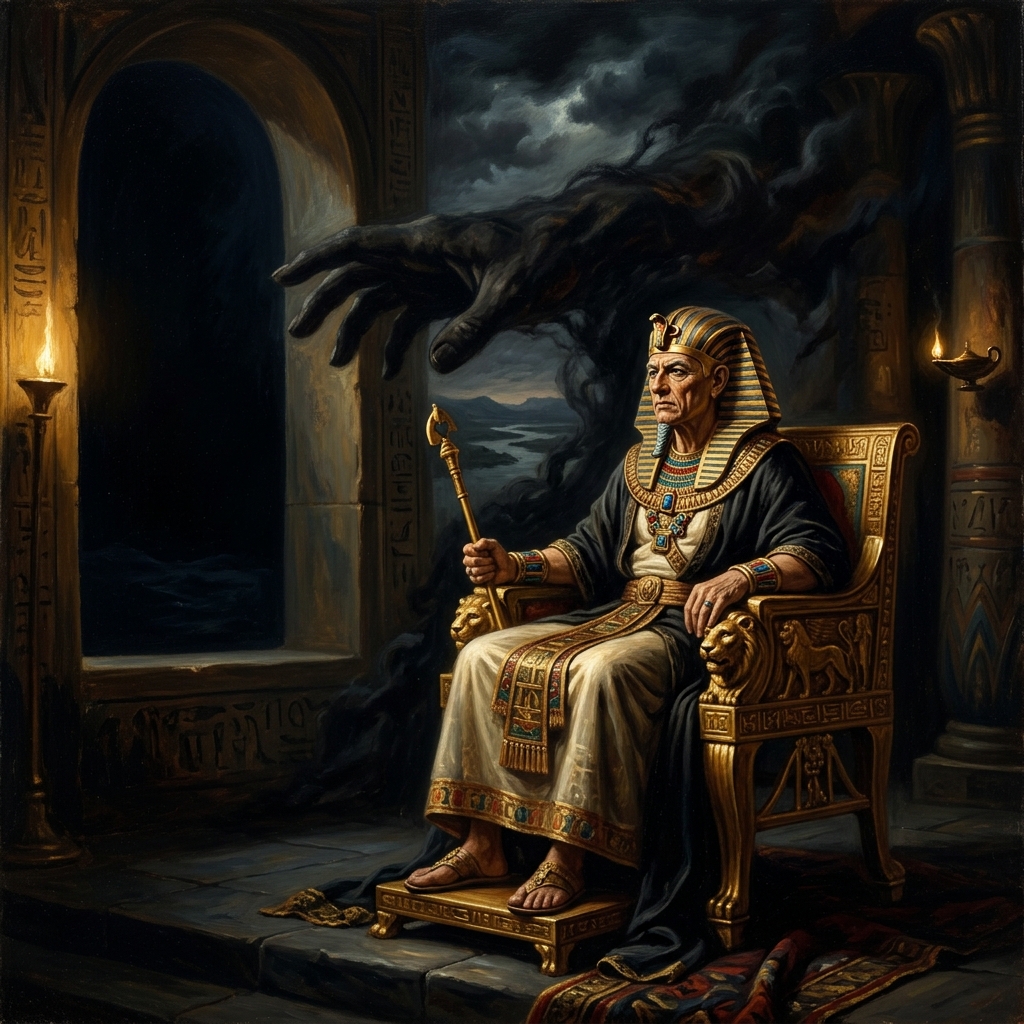
The biblical account of God hardening Pharaoh’s heart remains one of the most profound mysteries of the Christian faith. In an attempt to reconcile this with human responsibility, many contemporary interpreters suggest that God merely “permitted” or “stepped back” to let Pharaoh’s own nature take its course. However, such a view risks domesticating the majesty of God’s providence and ignores the rigorous testimony of both the original language and historic orthodoxy.
圣经中关于“上帝使法老之心刚硬”的记述,一直是基督教信仰中最深刻的奥秘之一。为了使这一真理与人的责任相调和,许多现代解经者倾向于将其解释为上帝仅仅是“任凭”或“退后”,任由法老的天性自行发展。然而,这种观点不仅有损于上帝护理之工的威严,也忽视了原文语言与大公教会正统神学的严谨见证。
Beyond mere permission, we must recognize that God’s sovereignty over the human heart is active and purposeful. He does not merely watch history unfold; He governs it, even utilizing the rebellion of the wicked to achieve His holy ends.
除了单纯的“任凭”,我们必须承认上帝对人心的主权是主动且具有目的性的。祂不仅是在旁观历史的演进,更是在治理历史,甚至利用恶人的悖逆来成就祂神圣的旨意。
I. The Linguistic Reality: Three Hebrew Verbs
I. 原文的真实性:希伯来原文的三个动词
In the Hebrew text of Exodus, three different verbs are used to describe the “hardening” of Pharaoh’s heart, each conveying a specific theological nuance. It is noteworthy that among the 20 references to this hardening in Exodus, exactly half (10) are attributed to Pharaoh’s own character and half (10) to the active work of God.
在《出埃及记》的希伯来原文中,使用了三个不同的动词来描述法老之心的“刚硬”,每一个动词都传达了特定的神学细微差别。值得注意的是,在《出埃及记》共有 20 处提到这种刚硬,其中正好有一半(10 处)归因于法老自身的本性,另一半(10 处)则归因于上帝的主动作为。
- Chazaq (חָזַק): This verb means “to strengthen, to fortify, to make strong.” It is the word most frequently used when God declares His active involvement (e.g., Exodus 4:21, 7:3). It implies that God reinforced Pharaoh’s internal resolve, giving him the “strength” to resist the plagues that would have otherwise broken a lesser man.
- Chazaq (חָזַק): 意为“使之坚硬、加强、使之有力量”。这是上帝宣告祂主动介入时最常用的词(如出4:21, 7:3)。它暗示上帝强化了法老内心的顽梗,使其有“力量”去抗拒那些足以让人崩溃的灾殃。
- Qashah (קָשָׁה): This verb means “to make hard, to make stubborn, to make heavy.” Primarily used in God’s sovereign declarations (e.g., Exodus 7:3), it emphasizes a state of obstinacy that refuses to yield to divine authority.
- Qashah (קָשָׁה): 意为“使之硬化、使之顽固、使之沉重”。主要用于上帝主权的宣告(如出7:3),强调一种拒绝向神圣权威低头的顽固状态。
- Kabed (כָּבֵד): Meaning “to make heavy, to become dull or insensitive.” This verb is often used when describing Pharaoh’s own action (e.g., Exodus 8:15, 8:32). It highlights the spiritual numbness and the closing of the senses that follow consistent rejection of God’s truth.
- Kabed (כָּבֵד): 意为“使之沉重、变得迟钝、失去知觉”。该词常用于描述法老自身的行为(如出8:15, 8:32),强调了在持续拒绝上帝真理后所产生的灵性麻木和感官封闭。
"The Lord said to Moses, 'When you go back to Egypt see that you perform before Pharaoh all the wonders which I have put in your power; but I will harden his heart so that he will not let the people go.'"
— Exodus 4:21
“耶和华对摩西说:‘你回到埃及的时候,要留意将我指示你手中的一切奇事行在法老面前。但我要使他的心刚硬,他就不肯容百姓去。’”
—— 出埃及记 4:21
"But when Pharaoh saw that there was relief, he hardened his heart and did not listen to them, as the Lord had said."
— Exodus 8:15
“但法老见灾祸越过去,就硬着心,不肯听他们,正如耶和华所说的。”
—— 出埃及记 8:15
"But the Lord hardened Pharaoh’s heart, and he did not listen to them, just as the Lord had said to Moses."
— Exodus 9:12
“耶和华使法老的心刚硬,不肯听他们,正如耶和华对摩西所说的。”
—— 出埃及记 9:12
"But when Pharaoh saw that the rain and the hail and the thunder had ceased, he sinned again and hardened his heart, he and his servants."
— Exodus 9:34
“法老见雨、雹、雷止住,就越发犯罪;他和他的臣仆都硬着心。”
—— 出埃及记 9:34
The Causative Reality (Hiphil Stem): Significantly, when the text speaks of God’s action, these verbs are usually in the Hiphil (causative) stem. This grammatical structure identifies God as the active Agent. If the biblical intent were a passive “permitting,” different constructions would have been chosen. The original text explicitly presents God’s involvement as a strategic and judicial act of His holy will.
使役性的事实(Hiphil 语态): 值得注意的是,当经文谈到上帝的行为时,这些动词通常处于 Hiphil(使役)语态中。这一文法结构明确了上帝是主动的行动发起者(Agent)。如果圣经的意图仅仅是消极的“任凭”,原文则会选择不同的表达。原文明确地将上帝的介入呈现为祂神圣意志中一项具有战略性和司法性的主权作为。
II. The Doctrine of Providence: Restraining and Ordering Evil
II. 护理的教义:对罪恶的限制与治理
The historic Christian faith teaches that God’s providence extends even to the sinful actions of men. He is never the author of sin, yet He is never a helpless victim of it. As the Westminster Confession of Faith articulates, God’s power and wisdom govern sin through a “most wise and powerful bounding.”
大公教会正统信仰教导我们,上帝的护理甚至延伸至人的罪恶行径。祂绝非罪恶的创始者,但也绝非罪恶的无奈受害者。正如《威斯敏斯特信条》所阐述的,上帝的能力与智慧通过“极其智慧和有能力的限制”来治理罪恶。
"The almighty power, unsearchable wisdom, and infinite goodness of God so far manifest themselves in His providence, that it extendeth itself even to the first fall, and all other sins of angels and men; and that not by a bare permission, but such as hath joined with it a most wise and powerful bounding, and otherwise ordering, and governing of them... to His own holy ends."
— Westminster Confession of Faith, 5.4
“上帝的大能、不可测度的智慧和无限的恩慈,在祂的护理中彰显如此之广,甚至延伸到始祖的第一次堕落,以及天使和人的所有其他罪恶;这并不仅由于一种单纯的任凭,而是伴随着极其智慧和有能力的限制,并对这些罪恶进行其他的治理和管辖……以成就祂自己圣洁的目的。”
——《威斯敏斯特信条》,5.4
In the case of Pharaoh, God’s hardening was an act of “ordering” evil. It is a fundamental principle of the historic Christian faith that God is never the author or creator of evil. Pharaoh was already a sinner, already depraved by his own choice and fallen nature. God did not “inject” new or additional evil into him; rather, He directed Pharaoh’s existing rebellion toward a specific collision point where God’s glory could be most fully manifested in judgment.
在法老的案例中,上帝的“使之刚硬”正是对罪恶的一种“治理”。大公教会正统信仰的一个基本原则是:上帝绝非罪恶的创造者或创始者。法老本身已经是一个罪人,已经因着自己的选择和堕落的天性而全然败坏。上帝并没有向法老身上“注入”更多或全新的罪恶;相反,上帝是顺着法老那已经存在的罪恶本性“推了他一把”,将其既有的悖逆引导至一个特定的冲突点,从而使上帝的荣耀能在审判中得到最充分的彰显。
III. Biblical Precedents: The Confluence of Wills
III. 圣经的先例:意志的汇流
The hardening of Pharaoh is not an isolated incident but part of a consistent pattern of providence throughout redemptive history. God frequently utilizes the sinful intentions of men to achieve His sovereign, holy ends, without ever compromising His own holiness.
使法老心刚硬并非孤立的事件,而是贯穿整个救赎历史的护理模式的一部分。上帝经常利用人的罪恶动机来成就祂至高、圣洁的旨意,而这丝毫不损及祂自身的圣洁。
1. Joseph and the Evil of His Brothers
1. 约瑟与其弟兄的罪恶
When Joseph’s brothers sold him into slavery, they were motivated by envy and malice. Yet, Joseph later recognized the dual nature of this event: the human will intended evil, but the Divine will intended (meant) it for good.
当约瑟的弟兄们将他卖为奴隶时,他们的动机是嫉妒和恶意。然而,约瑟后来意识到了这一事件的双重性质:人的意志意图行恶,但上帝的意志却意图(定意)成就善。
"As for you, you meant evil against me, but God meant it for good in order to bring about this present result, to preserve many people alive."
— Genesis 50:20
“从前你们的意思是要害我,但 神的意思原是好的,要保全许多人的性命,成就今日的光景。”
—— 创世记 50:20
2. Assyria: The Rod of God’s Anger
2. 亚述:上帝愤怒的杖
God also uses wicked nations as instruments of judgment. He used the cruel and arrogant Assyrian Empire to judge His rebellious people, Israel. The Assyrians acted out of their own pride and bloodlust, yet they were ultimately the “rod” in God’s hand, fulfilling a purpose they did not even intend.
上帝还利用邪恶的国家作为审判的工具。祂曾利用残暴狂傲的亚述帝国来审判祂悖逆的子民以色列。亚述人出于自身的骄傲和嗜血行事,但他们最终却是上帝手中的“杖”,成就了一个他们甚至从未想过的目的。
"Woe to Assyria, the rod of My anger and the staff in whose hands is My indignation! ... Yet it does not so intend, nor does it plan so in its heart, but rather it is its purpose to destroy and to cut off many nations."
— Isaiah 10:5, 7
“亚述是我愤怒的杖,他们手中的杆是我恼恨的。……然而,他不是这样的意思,他心也不这样打算。他心里倒想毁灭、剪除不少的国。”
—— 以赛亚书 10:5, 7
In these examples, we see that God’s sovereignty does not negate human responsibility. Although God hardened Pharaoh’s heart, Pharaoh—as an unbelieving sinner—was already condemned in his pride and must bear full responsibility for his own wickedness. Likewise, though Assyria was the “rod of anger” in God’s hand, can such a nation escape judgment before the Holy One? Certainly not! The instruments of judgment are themselves subject to judgment for their own evil intentions. Scripture remains clear: while God is sovereign over the outcome, the sinner must still give an account before Him. Pharaoh’s hardening follows this same divine logic—God uses the rebel, but the rebel remains guilty of his rebellion.
在这些例子中,我们看到上帝的主权并未否定人的责任。上帝虽然使法老的心刚硬,但法老作为一个不信的罪人,他的罪早已在自己的狂傲中定了,他必须为自己的罪恶承担全部责任。同样地,亚述虽然是上帝手中“愤怒的杖”,难道亚述就能在圣洁的神面前逃脱罪责吗?断乎不能!审判的工具因其自身的恶念,同样要接受审判。圣经的立场始终是明确的:上帝虽掌管万事的结局,但罪人最终仍要在上帝面前为自己交账。使法老心刚硬同样遵循这一神圣逻辑——上帝利用了悖逆者,但悖逆者仍要因其悖逆而负罪。
IV. Judicial Hardening: The Work of a Just Judge
IV. 司法性的刚硬:公义审判者的作为
St. Augustine, the great doctor of the Church, argued that when God hardens a heart, it is a righteous judgment upon those who have already rejected the truth. This is reflected in the chronological sequence of the Exodus narrative: in the first five plagues, the hardening is consistently attributed to Pharaoh’s own will. It is only after Pharaoh has repeatedly closed his heart that God is presented as acting judicially upon him. It is a “judicial” hardening—a sentence handed down by the Supreme Judge.
教会圣师圣奥古斯丁指出,当上帝使人心刚硬时,这是对那些已经拒绝真理之人的公义审判。这一点在《出埃及记》叙事的先后顺序中得到了体现:在前五场灾殃中,刚硬被一致归因于法老自身的意愿。只有在法老反复封闭自己的心之后,经文才呈现出上帝对他施行的司法性介入。这是一种“司法性”的刚硬——是由最高审判者宣告的判决。
"God works in the hearts of men to incline their wills whithersoever He will, whether to good deeds according to His mercy, or to evil after their own deserts; His own judgment being sometime manifest, sometime secret, but always righteous."
— St. Augustine, On Grace and Free Will
“上帝在人的心中动工,使他们的意志随祂的意愿倾向任何地方:或根据祂的怜悯倾向善行,或根据他们应得的惩罚倾向邪恶;祂的审判有时显明,有时隐秘,但始终是公义的。”
—— 圣奥古斯丁,《论恩典与自由意志》
By making Pharaoh’s heart “strong” (chazaq) to resist, God ensured that the confrontation would not end prematurely. He wanted the full weight of Egypt’s false gods to be exposed as vanity. God’s providence thus uses the further hardening of the wicked as a means to prove that His eternal purpose cannot be thwarted by human arrogance.
通过使法老的心“刚强”(chazaq)以进行抵抗,上帝确保了这场对峙不会过早结束。祂要让埃及假神的全部份量都被揭露为虚空。因此,上帝的护理利用恶人的进一步刚硬,作为一种手段,证明祂永恒的旨意绝不会因人的狂傲而受挫。
V. Vessels of Wrath: Fulfilling the Eternal Purpose
V. 可怒的器皿:成就永恒的旨意
"What if God, although willing to demonstrate His wrath and to make His power known, endured with much patience vessels of wrath prepared for destruction? And He did so to make known the riches of His glory upon vessels of mercy, which He prepared beforehand for glory."
— Romans 9:22-23
“倘若 神要显明他的愤怒,彰显他的权能,就多多忍耐宽容那可怒、预备遭毁灭的器皿,又要将他丰盛的荣耀彰显在那蒙怜悯、早预备得荣耀的器皿上。”
—— 罗马书 9:22-23
Romans 9 provides the ultimate theological framework for understanding this mystery. Paul speaks of “vessels of wrath prepared for destruction,” whom God endures with much patience. As noted in the historic discourse on this passage (such as the analysis found on Monergism), the term “prepared” (katērtismena) in the original Greek is a perfect passive participle. This implies an action completed in the past with ongoing results, with God as the unspoken Agent who does the preparing.
罗马书第 9 章为理解这一奥秘提供了最终的神学框架。保罗谈到了“预备遭毁灭、可怒的器皿”,上帝对他们多加忍耐。正如在大公教会历史中对该经文的深入讨论所指出的(如 Monergism 的相关分析),希腊原文中的“预备”(katērtismena)是一个完成时被动分词。这暗示了一个在过去已经完成并产生持续结果的行为,而上帝正是那隐而不发的“预备者”(Agent)。
In his seminal work The Potter’s Freedom, James White reinforces this by emphasizing the absolute right of the Creator over the creature. He challenges any attempt to shift the ultimate agency away from God.
詹姆斯·怀特(James White)在其代表作《窑匠的自由》(The Potter’s Freedom)中,通过强调创造者对受造者的绝对主权,进一步巩固了这一观点。他反驳了任何试图将最终决定权从上帝手中移开的尝试。
"The potter has the right to do with the clay as he wishes, and that is the very point Paul is making. God is the Potter, we are the clay. He has the absolute right to create vessels of wrath and vessels of mercy from the same lump, for His own glory. The vessels of wrath are not 'self-prepared'; they are objects through which God manifests His power and wrath."
— James White, The Potter's Freedom
“窑匠有权随心所欲地处理泥土,这正是保罗所要表达的重点。上帝是窑匠,我们是泥土。祂拥有绝对的主权,为了祂自己的荣耀,从同一团泥中造出可怒的器皿和蒙怜悯的器皿。可怒的器皿并非‘自我预备’的;它们是上帝借以彰显其权能与愤怒的客体。”
—— 詹姆斯·怀特(James White),《窑匠的自由》(The Potter's Freedom)
For those who struggle to grasp the doctrine of Original Sin, the hardening of Pharaoh may seem like God “denying him a chance” to repent. However, this objection fails to account for the total depravity of the human heart. Because of original sin, all are naturally alienated from God; apart from His sovereign grace in election, no one would ever truly repent on their own. Pharaoh was simply one of those not chosen for mercy, left instead in his natural rebellion. To say God denied him a chance is to ignore the reality that, without God’s prior work in the soul, no rebel ever seeks the God they hate.
在有些不能明白“原罪”教义的人看来,如果上帝使法老的心刚硬,则是没有给法老悔改的机会。这种异议的根源在于他们没有明白人的“原罪”使人与上帝完全隔绝。若非上帝主权的恩典拣选,没有人会在上帝面前真正悔改。法老显然是那些未被上帝拣选蒙怜悯的罪人之一,他被任凭留在自己天然的悖逆中。因此,若说上帝没有给他机会,则是忽视了这样一个事实:如果没有上帝先行的救赎之功,没有任何叛逆者会主动寻求他们所恨恶的上帝。
This “patience” is not a sign of divine weakness or indecision. Rather, it is a strategic delay. God allows the wicked to proceed further in their rejection of Him so that, in the climax of their rebellion, His absolute power and holy wrath might be displayed. This serves as a stark contrast to the “riches of His glory” shown to the vessels of mercy. As Scripture records, the report of this judgment reached as far as Jericho, where Rahab confessed: “For we have heard how the Lord dried up the water of the Red Sea before you when you came out of Egypt… and as soon as we heard it, our hearts melted” (Joshua 2:10-11). Both the hardening of the one and the softening of the other serve the same singular end: the manifestation of the fullness of God’s character and the proclamation of His name in all the earth.
这种“忍耐”并非神圣软弱或犹豫不决的表现。相反,这是一种战略性的延迟。上帝允许恶人在拒绝祂的道路上走得更远,以便在他们叛逆的高峰期,彰显祂绝对的权能与圣洁的愤怒。这与彰显给蒙怜悯器皿的“丰盛荣耀”形成了鲜明对比。正如圣经所载,这一审判的信息传到了远方的耶利哥,喇合承认道:“因为我们听见你们出埃及的时候,耶和华怎样在你们前面使红海的水干了……我们一听见这些事,心就消化了”(约书亚记 2:10-11)。一方的刚硬与另一方的软化,都服务于同一个终极目标:彰显上帝属性的丰满,并使祂的名传遍天下。
VI. Conclusion: The Majesty of the Unstoppable Will
VI. 总结:不可阻挡之旨意的威严
To interpret God’s hardening of Pharaoh as mere permission is to lose the comfort of divine sovereignty. If God only “permits” evil but does not govern and order it, then the believer is left in a world where chaos has a vote.
将上帝使法老刚硬仅仅解释为“任凭”,就会失去神圣主权所带来的安慰。如果上帝仅仅是“允许”罪恶,而不去治理和引导它,那么信徒就会置身于一个混乱也拥有一票否决权的世界。
But the historic Christian faith offers a more robust hope. God is so sovereign that even the most stubborn heart is a tool in His hand. Whether through mercy or through judgment, His eternal purpose is realized. In the hardening of the heart, we see not a God who has lost control, but a God who is so completely in control that He can use the very rejection of His will to ultimately fulfill it.
但大公教会的正统信仰提供了更坚实的希望。上帝拥有至高无上的主权,以至于最顽固的人心也是祂手中的工具。无论是通过怜悯还是审判,祂永恒的旨意终将实现。在人心的刚硬中,我们看到的不是一位失去控制的上帝,而是一位掌控全局到如此地步的上帝——祂甚至能利用那些对祂旨意的抵挡,来最终成就祂的旨意。
Bibliography
参考文献
- The Holy Bible, New American Standard Bible (NASB) / Chinese Union Version (CUV).
- 圣经,新美国标准圣经 (NASB) / 简体圣经和合本 (CUV)。
- Augustine of Hippo, On Grace and Free Will.
- 希波的奥古斯丁,《论恩典与自由意志》。
- The Westminster Confession of Faith (1647).
- 《威斯敏斯特信条》 (1647)。
- James R. White, The Potter’s Freedom: A Defense of the Reformation and a Rebuttal of Norman Geisler’s Chosen But Free.
- 詹姆斯·怀特,《窑匠的自由:辩护改教信仰并反驳诺曼·盖斯勒的〈拣选还是自由〉》。
- Paul Carter, “Did God Harden Pharaoh’s Heart?”, The Gospel Coalition Canada (2018).
- 保罗·卡特,“上帝使法老的心刚硬吗?”,加拿大福音联盟 (2018)。
- Monergism, “Vessels Prepared for Destruction: An Analysis of Romans 9:22”.
- Monergism,“预备遭毁灭的器皿:罗马书 9:22 解析”。